

Charleston homeowners planning a painting project want a straightforward answer to a hard question: what is this actually going to cost? No single number fits every home, since so much depends on the condition of what’s already there and how the coast has treated it over the years. This guide breaks down exactly what drives that price up or down, and what to look for in a quote once you’re ready to compare bids.
What Drives the Cost of Painting a Home
in Charleston?
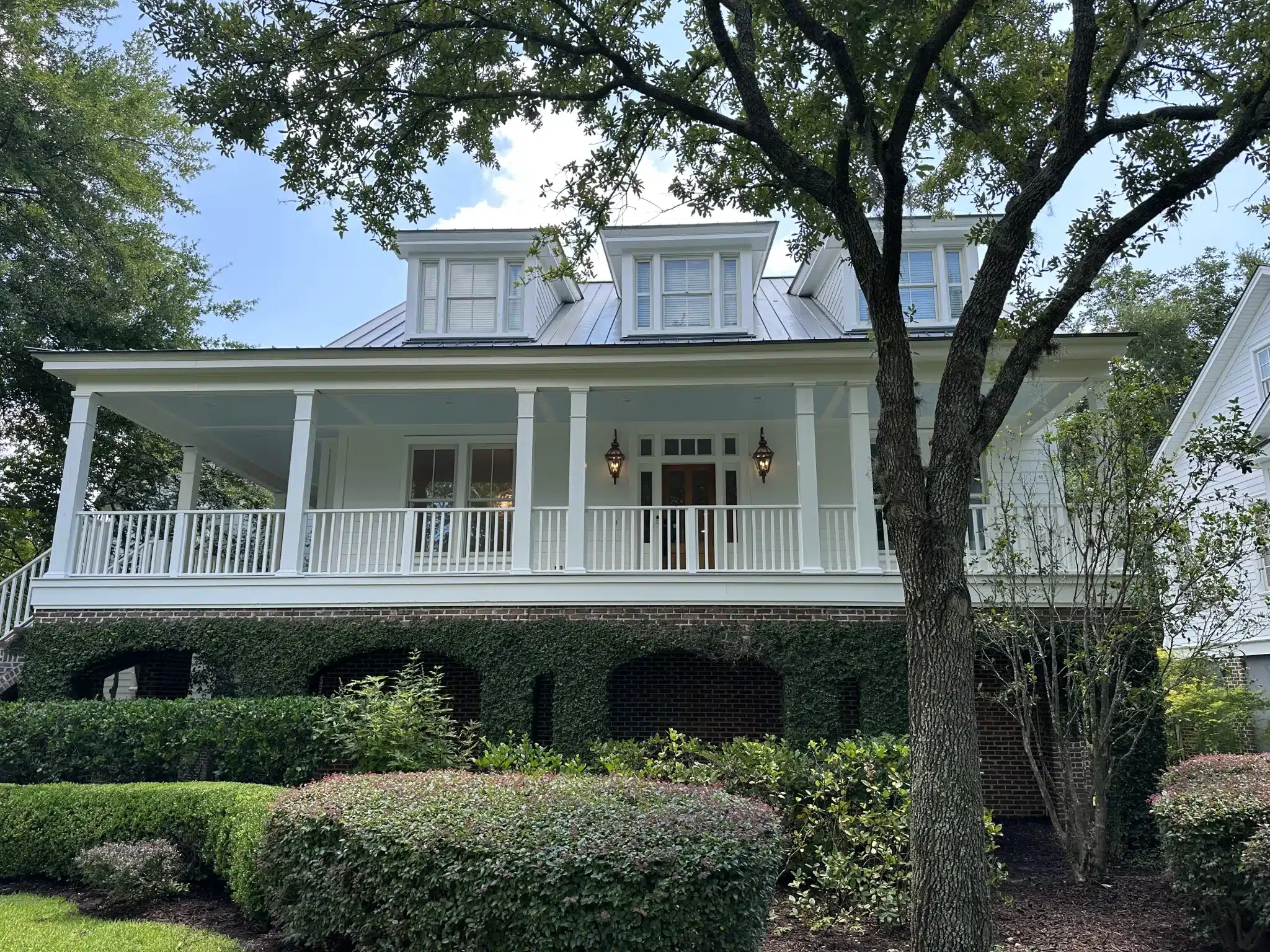
A cost estimate depends on how much prep work a house needs, the condition of the existing paint, the size of the home, whether the job covers interior rooms, the exterior, or both, how much coastal exposure the house has taken on, and whether the property sits inside a historic district with its own approval process. Readers focused only on exterior work can jump to Wade Paint Co.’s full exterior cost breakdown for a deeper look at siding, elevations, and weather timing.
Wade Paint Co. has been owner-operated by Elliott Hall out of Charleston since 2019. The company is licensed, bonded, and insured, was named a Charleston’s Best finalist in 2022 and 2023, and has built a base of more than 84 Google reviews from homeowners across the metro. Those credentials matter here because a painting cost estimate reflects the materials and labor involved, as well as the company’s track record of standing behind the work.
Interior vs. Exterior Painting: How Scope Changes the Price

Interior and exterior projects are priced differently because they involve different labor, different materials, and different risks. A homeowner asking for “a painting quote” without specifying which one is really asking two separate questions, since a Charleston contractor pricing an interior job is weighing rooms and finishes, while one pricing an exterior job is weighing siding, height, and weather. The two scopes below cover what typically drives each.
What Affects Interior Painting Costs?
Interior pricing scales with the number of rooms being painted and how much detail work each room requires. A room with simple walls and flat trim costs less to paint than one with intricate crown molding, coffered ceilings, or an accent wall that calls for a different sheen or color. Furniture that has to be moved, covered, or worked around adds time, and so does painting a home while a family is still living in it, since crews often have to schedule around occupied bedrooms, kitchens, and shared living spaces rather than working straight through.
The paint line and sheen a homeowner chooses also affects cost; a washable eggshell in a high-traffic hallway is priced differently than a flat finish in a formal dining room. Wade Paint Co. offers interior painting services in Charleston that account for all of these variables during the estimate, rather than quoting a flat per-room rate that ignores them.
What Affects Exterior Painting Costs?
Exterior costs hinge on siding material, since brick, stucco, wood lap siding, and fiber cement each accept paint differently and require different prep. Story count matters too. A two-story or three-story home means more scaffolding, ladder work, and time spent safely accessing upper elevations. The number of elevations being painted, and how exposed each one is to sun, wind, and rain, changes both the labor and the paint volume required.
Exterior work is also more weather-dependent than interior work; Charleston’s humidity and rain patterns narrow the windows when paint can properly cure, which affects scheduling more than it affects price directly. Wade Paint Co. exterior painting services rely on Sherwin-Williams Duration exterior paint and comparable premium lines built to hold up against coastal conditions.
For a full breakdown of exterior-specific cost drivers, see the companion article linked above.
Why Does Prep Work Cost More Than the Paint Itself?
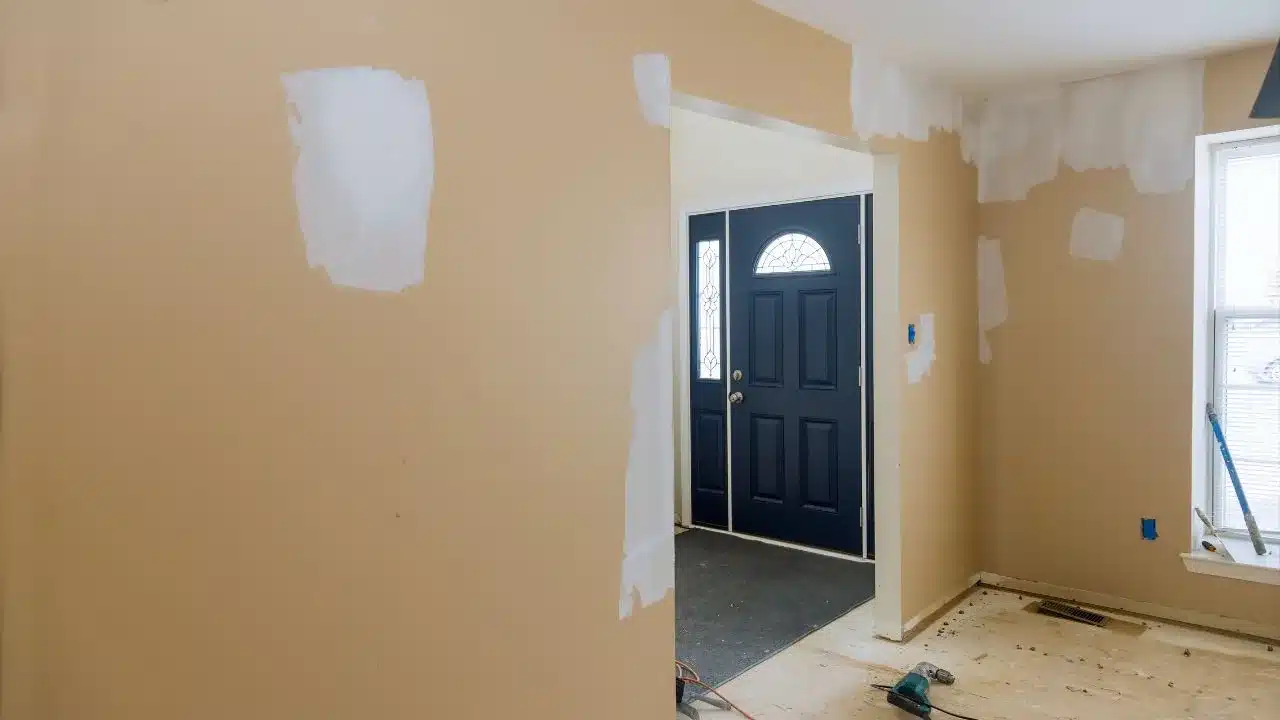
Prep work is the single biggest swing factor in any painting estimate, and it’s usually the part homeowners underestimate. Paint itself is a relatively small line item. The labor to properly prepare a surface before that paint ever goes on is where hours and cost accumulate.
On older Charleston homes, prep can mean repairing wood rot around windows, doors, and trim before any coating is applied. It can mean sanding failing paint down to a sound surface, priming bare or repaired wood so the topcoat adheres correctly, and addressing moisture intrusion that, left alone, will cause new paint to fail within a season or two.
A home with siding that was pressure washed and maintained regularly needs far less of this than one where paint has been peeling for years. Wade Paint Co.’s pre-paint pressure washing service is often the first step, removing mildew, salt residue, and loose paint so the crew can accurately assess what repair work is actually needed underneath.
This is where Wade Paint Co.’s approach differs from a quick repaint. Rot repair, sanding, priming, and moisture remediation cost more upfront than skipping straight to topcoat, and it’s tempting to view that as an unnecessary expense. In practice, skipping prep is what causes paint jobs to fail early, sometimes within a year or two, regardless of how good the paint itself is.
Heavier prep, paired with exclusively Sherwin-Williams and Benjamin Moore premium materials, is what allows a paint job to reach the upper end of its realistic lifespan instead of the lower end. That lifespan is directly tied to Charleston’s climate.
How Charleston’s Coastal Climate Affects Paint Costs and Longevity

Charleston’s coastal climate is a real factor in house painting cost in Charleston, SC, and in how the finished job holds up over time. Salt air and high humidity accelerate wear on exterior paint film, breaking down coatings faster than they would in a drier, inland climate.
As general market context, and not a Wade-quoted figure, exterior repaints are typically discussed in the 5- to 7-year range in coastal markets, with homes facing heavy salt air or direct sun exposure, such as properties closer to the water in Mount Pleasant or on the peninsula, sometimes falling closer to the 3- to 5-year range. Where a specific home falls in that range depends on prep quality, paint line, and exposure, which is part of why cost and longevity are connected rather than separate questions.
Wade Paint Co. times exterior applications around the spring (March through May) and fall (September through November) weather windows, when temperature and humidity are more favorable for proper paint cure, rather than pushing jobs through during the height of summer humidity or unpredictable winter cold snaps. That seasonal scheduling approach helps protect the investment a homeowner is making, alongside steps like protecting paint from salt air damage on homes closest to the water.
How Charleston’s Historic-District Rules Can Affect Your Painting Project

Homes inside Charleston’s historic districts often carry an extra layer of approval before exterior paint work can begin, and that process can affect both timeline and cost, since a project waiting on a review cycle takes longer to schedule than one that doesn’t. The rules differ depending on whether the home sits on the Charleston peninsula or in Mount Pleasant, so it’s worth knowing which one applies before choosing colors or scheduling a crew.
Charleston Peninsula: Board of Architectural Review (BAR)
Properties south of Line Street on the Charleston peninsula fall under the jurisdiction of the city’s Board of Architectural Review. The BAR does not maintain a mandatory list of approved colors, but color choices still can’t be, in the board’s terms, completely out of character with the surrounding historic streetscape. Minor or routine repaint requests are often handled through staff-level administrative review at the Permit Center at 2 George Street rather than requiring a full hearing; larger or more visible changes go through a full Board review instead.
Homeowners planning an exterior repaint on a peninsula property should check in with the Permit Center early, since the review path affects how far ahead a project needs to be planned. For the full Board of Architectural Review rules and current submittal requirements, the city publishes its Permit Center submittal process online, and it’s worth confirming the specifics before finalizing paint colors on a historic peninsula home.
Mount Pleasant: Historic District Preservation Commission
Mount Pleasant’s historic district operates under its own Historic District Preservation Commission, and exterior work generally requires a Certificate of Appropriateness before it begins. That review is meant to keep changes to a historic home’s exterior consistent with what’s already been approved for the district, rather than to slow projects down for their own sake. There’s an exception worth knowing about: a routine repaint using colors and materials that were already approved, and that doesn’t change the home’s appearance, may be exempt from a new certificate. Homeowners shouldn’t assume that exemption applies without confirming it with the Commission directly, since the specifics depend on what was previously approved for that particular property.
Wade Paint Co. has covered Mount Pleasant historic home paint colors in more depth, including how the Benjamin Moore historic color collection is often a useful starting point for homeowners trying to stay within an approved palette. The Mount Pleasant Historic Preservation Commission is the authoritative source for what’s currently required on a specific street or property.
Does Lead Paint Add to the Cost of Painting an Older Charleston Home?

For homes built before 1978, federal lead paint rules can factor into project cost and timeline. Under the EPA’s Renovation, Repair and Painting Rule, paid contractors disturbing paint in pre-1978 housing are required to use EPA- or state-certified lead-safe renovators, following specific containment and cleanup procedures.
This requirement applies to rentals, homes used for in-home childcare, and renovation-and-flip projects, and it’s a legitimate compliance factor for anyone hiring a paid crew for that kind of work. An owner who lives in the home and does the painting themselves is generally exempt from the rule, but a homeowner hiring a paid firm for a pre-1978 property should confirm that the contractor follows the EPA’s lead-safe renovation rules as a matter of course, since that certification shapes how the job is set up and cleaned up.
Other Factors That Can Change Your Painting Cost

Beyond room count, prep scope, and climate, a few less obvious decisions also shape the final number on a painting project, from what happens with existing cabinetry to whether a homeowner tackles the job without a professional crew.
Is It Cheaper to Refinish or Replace Cabinets?
Cabinet refinishing through factory-smooth spray application is almost always less expensive than full cabinet replacement, and it can deliver a comparable visual result when the existing cabinet boxes and doors are structurally sound. It also takes far less time than a full kitchen teardown, since the existing cabinet frames stay in place while the doors and boxes are sprayed. Replacement makes more sense when cabinets have water damage, warping, or a layout a homeowner wants to change entirely, since refinishing can’t fix structural problems or reconfigure a kitchen.
For cabinets that are simply dated or worn rather than damaged, Wade Paint Co.’s cabinet painting and refinishing service uses a spray cabinet process that produces a smoother, more factory-like finish than brush or roller application typically achieves. The right choice comes down mainly to the condition of the existing cabinets and the look a homeowner wants to end up with.
Is DIY Painting Actually Cheaper Than Hiring a Pro?
DIY painting looks cheaper on paper because it skips a labor line item, but the real cost includes materials, equipment rental or purchase, and the homeowner’s own time, often spread across multiple weekends rather than consecutive workdays. It also carries a risk that’s easy to miss: without a trained eye, it’s common to paint directly over early signs of wood rot or moisture intrusion, the same issues covered in the prep work section above, which means the problem keeps developing underneath a fresh coat instead of getting caught and fixed.
DIY work also comes with no warranty, so if the paint fails early or the underlying issue resurfaces, the cost of fixing it falls entirely on the homeowner. For a straightforward, small-scale touch-up, DIY can make sense. For anything involving prep, height, or an older home with unknown conditions underneath the existing paint, the risk of missing something costly tends to outweigh the upfront savings.
How to Read a Painting Quote Like a Pro
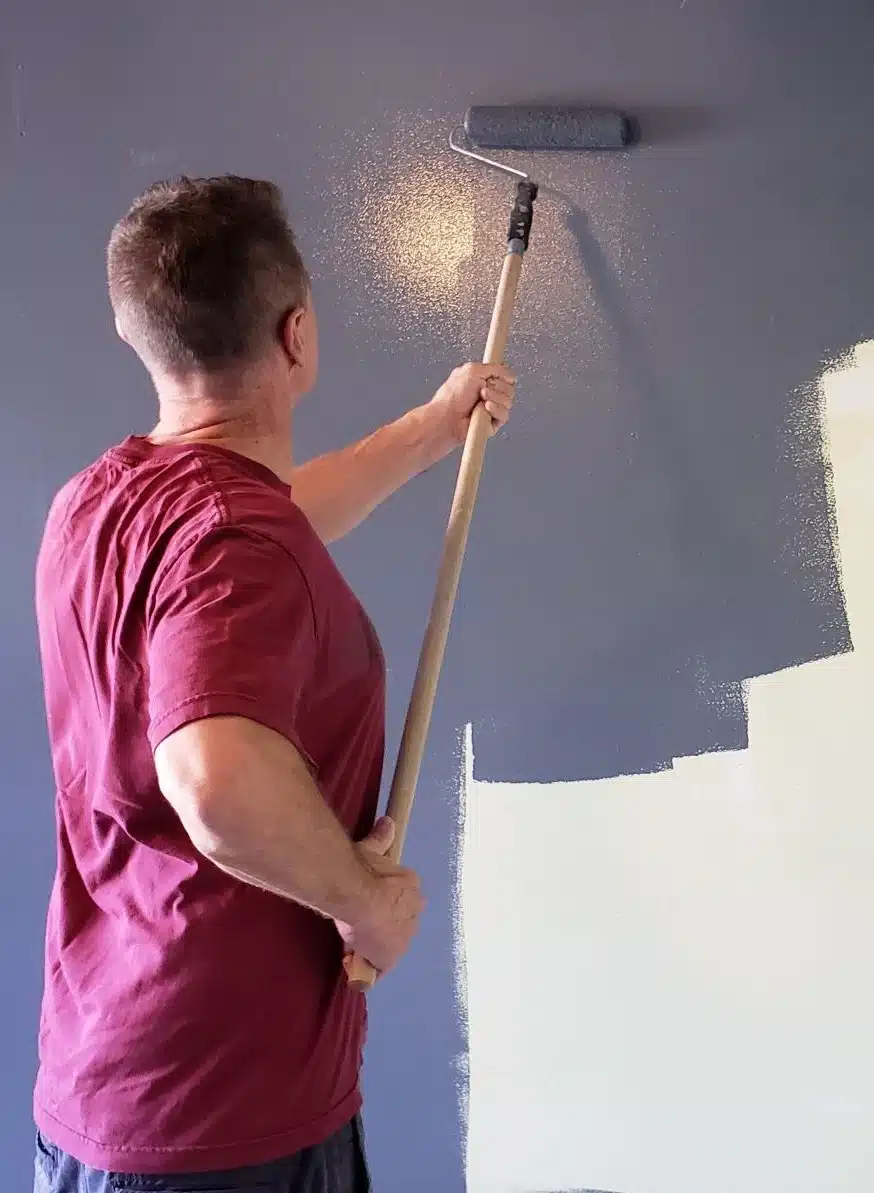
Prices that start low and climb once work is underway are one of the most common complaints leveled at painting bids. Since South Carolina requires no state license to operate as a painting contractor, quote transparency matters more than it might in a licensed trade. Here’s what a clear, trustworthy quote should spell out.
1. Itemized Prep Work
A quote should list prep work as its own line item, specific enough to show what’s actually being done, rather than folding it into a single vague total. Look for mentions of rot repair, sanding, and priming scope rather than a generic “surface prep” line that could mean almost anything.
2. Primer Type and Coat Count
The quote should name the type of primer being used and how many coats are planned, both for primer and topcoat. Coat count affects both cost and how well the final color and finish hold up, so a quote that’s vague on this point is harder to compare against another bid.
3. Named Paint Line and Sheen
A trustworthy quote names the actual paint line and sheen being proposed rather than a generic “premium paint” line. Sherwin-Williams and Benjamin Moore product lines vary widely in price and durability, so the specific product matters as much as the brand. Sheen also affects durability and cleanability, which is worth knowing before agreeing to a bid.
4. Warranty Terms
A clear warranty statement spells out exactly what’s covered and for how long. Wade Paint Co., for example, backs its work with a 2-year limited workmanship warranty covering peeling, blistering, and chipping caused by defective workmanship, with standard exclusions such as horizontal surfaces, customer-supplied materials, manufacturer defects, and weather or acts of God. A quote that says “warranty-backed” without defining any of that isn’t giving a homeowner enough to evaluate.
5. Licensing, Bonding and Insurance Proof
Because South Carolina doesn’t require a state painting license, it’s worth asking a contractor directly for proof of bonding and insurance, and checking their review history before hiring. Wade Paint Co. is licensed, bonded, and insured, with more than 84 Google reviews and back-to-back Charleston’s Best finalist recognitions in 2022 and 2023 to check against.
A quote that holds up against this checklist is worth taking seriously. Wade Paint Co. welcomes homeowners to request a quote and compare it line by line against exactly what’s outlined above.
Request a Charleston Painting Quote From Wade Paint Co.

Understanding what drives painting cost is the first step. The next is getting a real number for a specific home. Wade Paint Co., led by owner Elliott Hall, has served Charleston homeowners since 2019 with a prep-first approach that weighs how sun, humidity, and salt air have treated each elevation of the home. Homeowners ready to move forward can request a quote by calling (843) 474-5353, visiting wadepaintco.com, or reaching out through the address on file at 10 Wesley Dr, Charleston, SC 29407. To learn more about house painting tips and guides, please visit this page.
Frequently Asked Questions
Do I need a permit to paint my house in Charleston?
It depends on where the home is located. Properties on the Charleston peninsula south of Line Street may need Board of Architectural Review approval for exterior color or material changes, ranging from staff-level review to a full Board hearing depending on scope. Homes outside historic districts generally don't face this extra step.