


Licensed, Bonded, and Insured
84+ Five-Star Reviews
Charleston’s Best Finalist (2022, 2023)
Why Every Room Needs a Different Paint Finish

How Paint Finish (Sheen) Works
Appearance vs. durability.
Flat and eggshell create a softer, more refined look. Satin and semi-gloss provide a cleaner, more durable surface. The correct choice depends on how the room is used.
Imperfection hiding vs. washability
Lower sheens conceal surface variation, patchwork, and minor irregularities. Higher sheens reveal those imperfections but clean far more easily.
In Charleston’s coastal climate, interior humidity adds a third factor. Rooms with poor ventilation, especially bathrooms, kitchens, and laundry rooms, are harder on low-sheen finishes. Flat and eggshell paints absorb moisture over time, increasing the risk of mildew developing behind the paint film long before the issue becomes visible. Satin and semi-gloss resist that moisture far more effectively.
Finish-by-Finish: What Each Level Actually Does
Flat / Matte
Eggshell
Eggshell introduces a slight sheen and improved durability over flat. It handles light cleaning — smudges, dust, and occasional marks — but is not designed for repeated scrubbing.
Best for: Living rooms, dining rooms, and most adult bedrooms
Avoid in: High-traffic areas, kids rooms, and bathrooms
Satin
Satin is where durability becomes a functional advantage. With significantly higher resin content than eggshell, it withstands regular cleaning with soap and water without paint transfer. It is the most practical wall finish for active areas of the home.
Best for: Hallways, stairwells, entryways, kids rooms, family rooms, and laundry rooms
Consider for: Kitchens and any wall that requires routine cleaning
In Charleston homes, satin is often the safer default over eggshell in rooms with limited ventilation.
Semi-Gloss
Semi-gloss offers the highest washability among standard interior finishes. It tolerates repeated cleaning without degradation. The tradeoff is visibility — surface imperfections become more pronounced.
Best for: Kitchens, bathrooms, trim, doors, baseboards, and window frames
Caution: Requires proper surface preparation; imperfections will show clearly
High-Gloss
High-gloss delivers maximum hardness and cleanability but is reserved for specialty applications. Any surface defect is magnified, making prep critical.
Best for: Cabinetry, furniture, doors, and accent trim
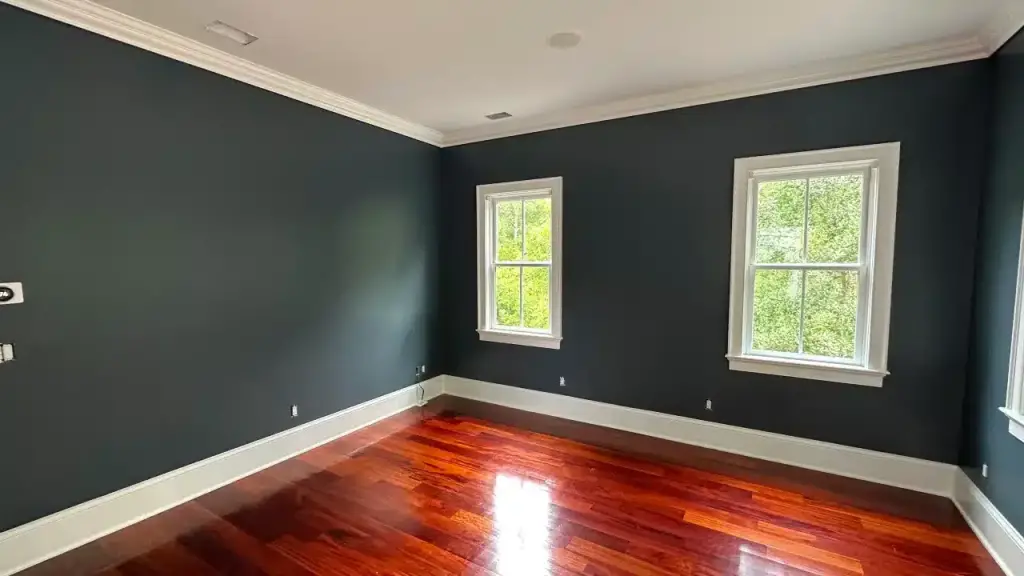
Bedrooms, Living Rooms, Dining Rooms and Kitchens — What Paint Finish Works Best
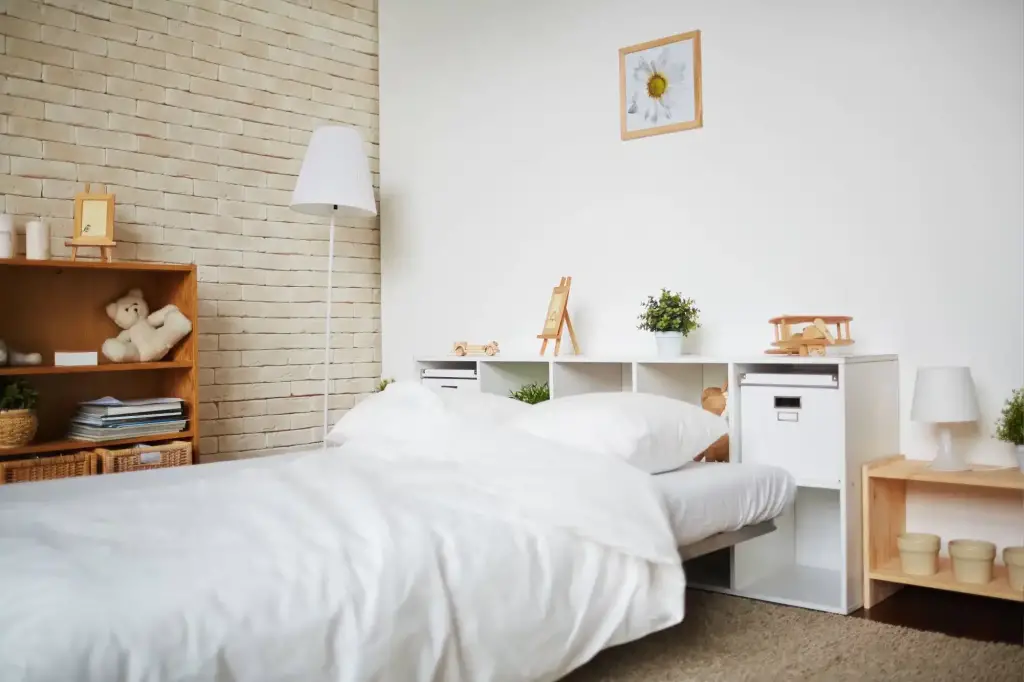
Master bedroom
Eggshell is the right choice in most cases. If the walls are smooth and the room is low-traffic, a flat can create a more uniform matte look. Where there is any surface variation — patching or texture — eggshell provides a better balance without stepping up to satin.
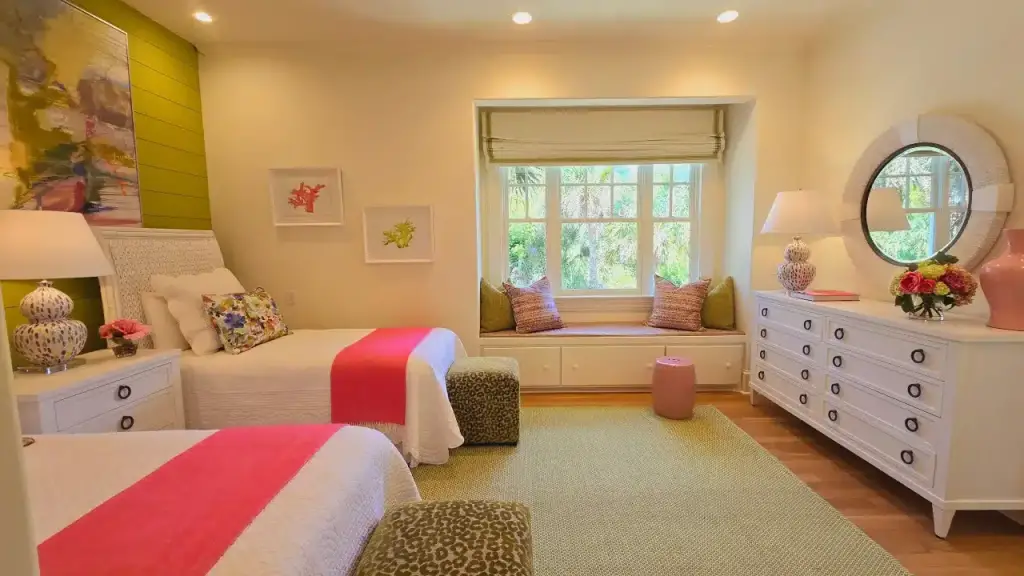
Kids' rooms
Satin is the answer, not eggshell. The difference in washability becomes obvious immediately. Crayon, marker, food, and handprints can be cleaned off a satin surface with a damp cloth. Eggshell begins to transfer paint before the mark is fully removed.

Living rooms
The correct finish depends on how the space is used. In an adult living room with limited daily use, eggshell is appropriate and maintains a refined look. A family room with regular activity, children, pets, furniture contact, requires satin. The difference between the two finishes becomes clear after months of real use, not at the time of application.

Dining rooms
For this room, opt for eggshell. Dining rooms typically see controlled, moderate use and benefit from the softer appearance of a lower-sheen finish. Higher sheens in these spaces tend to look overly reflective.
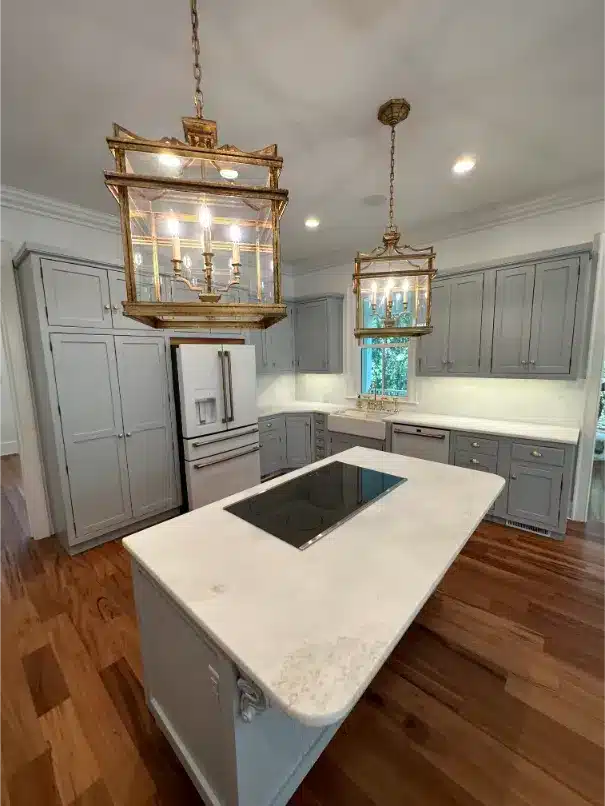
Kitchen walls
In Charleston’s coastal climate, semi-gloss is the most reliable choice for bathroom walls, particularly in showers and tub surrounds. Satin is acceptable in well-ventilated bathrooms, but semi-gloss offers greater moisture resistance and better protection against mildew beneath the paint film.
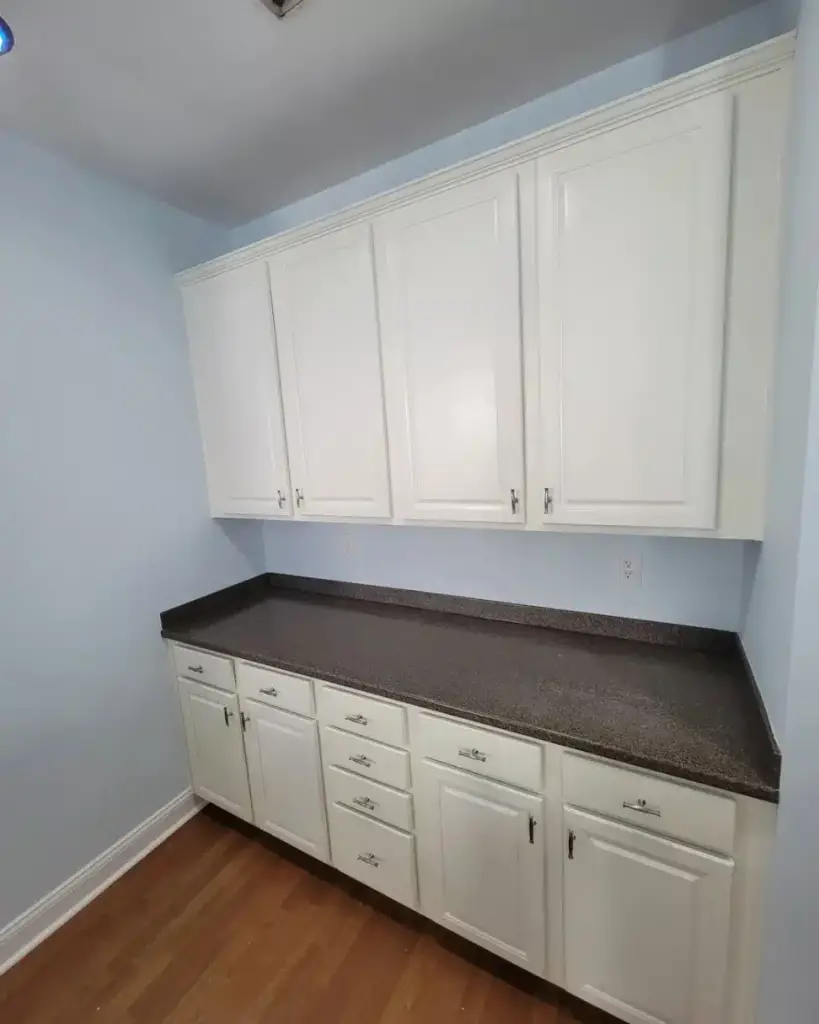
Kitchen trim, doors, and cabinets
Semi-gloss is often appropriate. These surfaces handle daily contact, cleaning, and exposure to cooking conditions. The higher resin content is necessary for long-term performance. For cabinet refinishing specifically — which is a distinct specialty from painted walls — see the fine finishes and cabinet refinishing page.

Bathroom walls
Satin at minimum; semi-gloss for areas adjacent to showers and tubs. The performance difference between eggshell and satin in moisture-heavy environments is significant.

Laundry rooms
Satin is still the best choice, as these spaces experience similar humidity levels, heat, and occasional water exposure from appliances.

Hallways and stairwells
Satin provides the durability required for repeated contact while maintaining a clean, finished appearance.

Entryways
Select satin for walls and semi-gloss on trim, door frames, and areas near the front door. Entry points are exposed to dirt, moisture, and frequent contact with outside traffic.

Trim and doors
Use semi-gloss throughout the home. Baseboards, frames, molding, and doors require a finish that handles direct contact and repeated cleaning. The contrast between the wall finish (eggshell or satin) and the trim (semi-gloss) creates a standard, professional result.
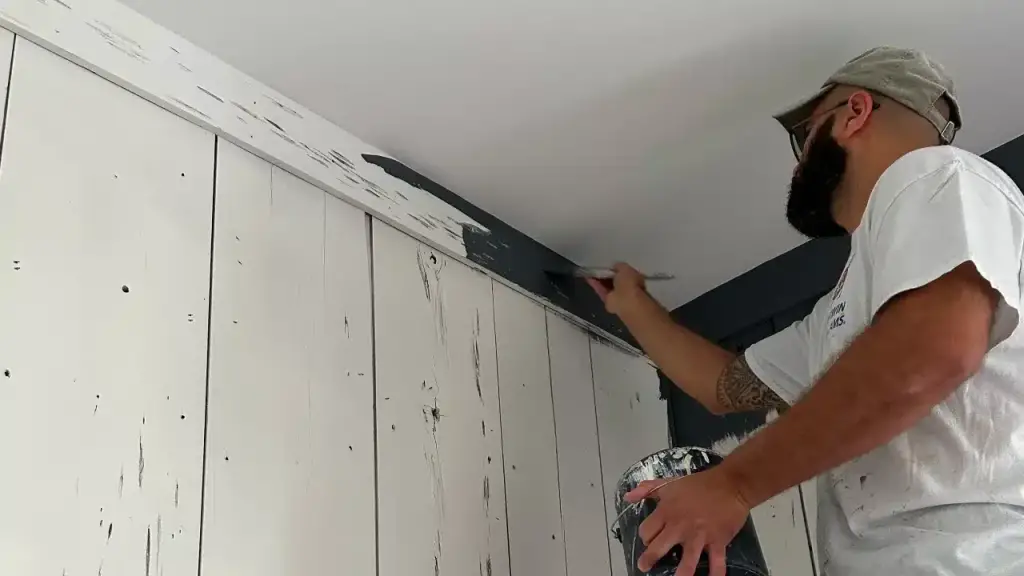
Ceilings
Opt for flat/matte consistently. Ceilings do not require washability, and flat finishes conceal seams, joints, and surface variation that become highly visible under any sheen. For a full treatment of ceiling paint options, see the ceiling paint guide.
Quick-Reference: Paint Finish by Room
| Room | Recommended Finish | Why |
|---|---|---|
| Master bedroom | Eggshell | Refined look, minimal traffic |
| Kids room | Satin | Washable surface for active use |
| Living room (adult use) | Eggshell | Low-traffic, appearance-focused |
| Family room (kids/pets) | Satin | Daily wear, washability needed |
| Dining room | Eggshell | Formal look, moderate traffic |
| Kitchen walls | Satin | Grease and steam resistance |
| Kitchen trim and doors | Semi-gloss | Maximum washability |
| Bathroom walls | Satin or semi-gloss | Moisture resistance |
| Laundry room | Satin | Humidity and splatter |
| Hallways and stairwells | Satin | High-traffic durability |
| Entryway walls | Satin | Tracking and contact |
| All trim throughout | Semi-gloss | Durability and cleanability |
| Ceilings | Flat/matte | Hides imperfections, no washability needed |
Products Wade Paint Co. Applies by Room Type
Not all paints perform equally at the same sheen level. Product formulation directly affects durability, washability, and long-term appearance.
Sherwin-Williams Emerald Interior
Benjamin Moore Aura Interior
This is a premium finish with strong color retention and long-term durability. It is ideal for whole-home applications where appearance and consistency matter as much as performance.
Both products are available in eggshell, satin, and semi-gloss, and are applied based on the functional demands of each room.
When Professional Application Makes a Difference
Wade’s free color consultation goes beyond color deck suggestions to help you choose the right sheen and finish for your space. Color, sheen, and finish are selected together because each one affects how the room ultimately looks and feels. Book a free consultation.
Areas We Serve — Interior Painting in Charleston
Wade Paint Co. provides interior painting services throughout the greater Charleston metro area, including Charleston, Mount Pleasant, West Ashley, Daniel Island, Sullivan’s Island, Isle of Palms, James Island, Johns Island, North Charleston, and Folly Beach.
Get the Right Finish in Every Room
Frequently Asked Questions
What paint finish is best for a bedroom?
For most bedrooms, choose eggshell. It has a subtle, refined look, hides minor wall imperfections better than satin does, and offers enough washability for occasional cleaning. For kids’ rooms, step up to satin — the added washability is needed for the higher-contact use they get.
Can I use the same paint finish in every room?
Technically yes, but practically no. Using eggshell throughout means the hallway and kitchen walls wear out much faster than the bedrooms. Using satin throughout means the formal living room and dining room look slightly more reflective than most homeowners prefer. Matching the finish level to room use requires one upfront decision and significantly extends the repaint cycle.
Is satin better than eggshell for walls?
In durability and washability, yes. In appearance and imperfection-hiding, eggshell has the advantage. The right answer depends on the room. High-traffic rooms with active use, choose satin. Lower-traffic rooms where appearance is the priority and walls are in good condition, opt for eggshell.
What sheen should I use on interior walls in a coastal home?
In Charleston coastal homes, satin is a safer default than eggshell in rooms with limited ventilation or higher interior humidity — kitchens, bathrooms, laundry rooms, and any room that stays closed for extended periods. Satin’s moisture resistance reduces the risk of mildew developing behind the paint film in humid conditions.
What paint finish should I use for a hallway?
Satin. Hallways take constant physical contact and need to be wiped clean regularly. Flat and eggshell don’t hold up to that level of use. Satin provides the durability and washability hallways require while looking intentional and refined rather than institutional.
Do I need a different finish for trim vs. walls?
Yes. Semi-gloss for all trim — baseboards, door frames, window trim, crown molding — throughout the entire home, regardless of what finish is on the walls. The contrast between the wall finish (eggshell or satin) and the trim finish (semi-gloss) is a standard in professional interior painting. Trim takes direct contact and cleaning and needs the maximum durability of a semi-gloss surface.
What's the most washable paint finish for kids’ rooms?
Satin, particularly in a product formulated for washability — Benjamin Moore Scuff-X in satin or Sherwin-Williams Emerald Interior in satin. Both are engineered to clean more thoroughly than standard satin formulas. The modest cost difference compared to standard satin is worth it in any room where walls take active, regular cleaning.
Why do ceilings use flat paint?
Ceilings have no washability requirement, and flat paint hides ceiling imperfections — seam lines, minor texture variations, skim-coat transitions — that become very visible in any sheen. Even a slight sheen on a ceiling creates reflections that reveal every surface variation. Flat paint is universally correct for ceilings and doesn’t require an alternative.